
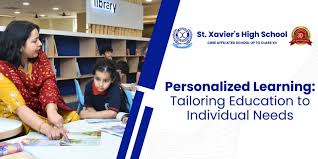
Personalized learning is transforming modern education by focusing on the unique abilities, interests, and learning styles of each student. Unlike traditional one-size-fits-all teaching methods, personalized learning adapts instruction, pace, and content to meet individual needs, ensuring that every learner can achieve their full potential. This approach leverages technology, data analytics, and innovative pedagogical strategies to create flexible learning environments that are both engaging and effective. By tailoring education to the individual, schools and educators are reshaping the way knowledge is delivered, assessed, and experienced.
At the heart of personalized learning is the recognition that students learn differently. Some may grasp concepts quickly through visual aids, while others benefit from hands-on activities or verbal instruction. Personalized learning frameworks take these differences into account, using assessment data, observation, and feedback to adapt teaching methods accordingly. Digital tools such as adaptive learning platforms, interactive apps, and AI-driven tutoring systems play a critical role by providing content that adjusts in real-time based on a student’s performance, strengths, and areas needing improvement. Platforms like Khan Academy and DreamBox Learning exemplify how technology supports individualized learning pathways.
Data-driven insights are central to personalized learning. Educators can track student performance across multiple subjects, identify patterns, and provide targeted interventions to support progress. This approach allows teachers to focus on areas where students struggle while offering advanced challenges to those who excel. Analytics-driven personalization not only improves academic outcomes but also helps maintain motivation and engagement by providing students with experiences that match their capabilities and interests.
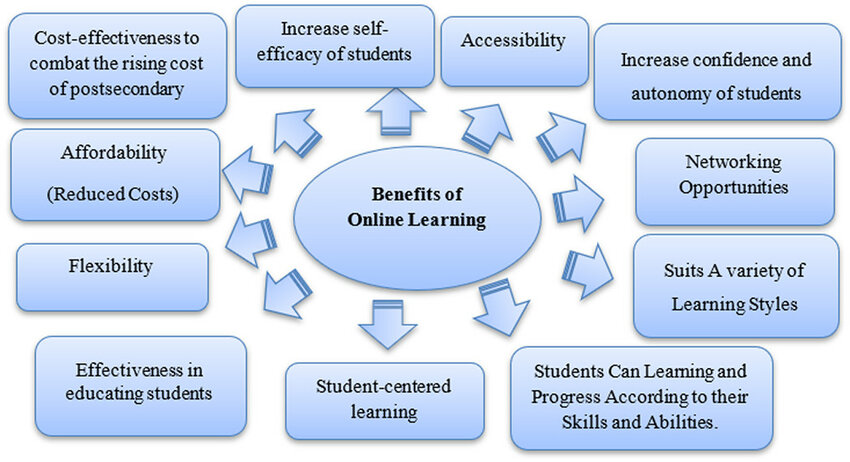
Personalized learning is also highly flexible. Students can work at their own pace, exploring topics more deeply when interested or revisiting material as needed. This flexibility is particularly valuable for learners with diverse needs, including those with learning disabilities, gifted students, or those learning in multilingual environments. By accommodating individual differences, personalized learning reduces frustration, promotes confidence, and empowers students to take ownership of their education.
Technology facilitates collaboration within personalized learning frameworks. Online platforms allow students to engage in group projects, peer feedback, and discussions, even when working at different paces. These collaborative elements help learners develop communication, teamwork, and problem-solving skills while still benefiting from individualized instruction. Teachers can balance group activities with personalized tasks, creating a holistic learning experience that fosters both independence and social interaction.
Gamification and interactive content are often integrated into personalized learning to enhance motivation. Progress tracking, achievements, and interactive challenges provide immediate feedback, reinforcing learning and rewarding effort. Educational games and simulations allow students to practice skills in immersive environments, combining entertainment with instruction. By aligning game mechanics with learning objectives, personalized learning maintains engagement while addressing academic goals.
Personalized learning also emphasizes the importance of student agency. Learners are encouraged to set goals, make choices about their learning pathways, and reflect on their progress. This empowerment fosters self-directed learning, critical thinking, and problem-solving skills that are essential for success in the 21st century. Students develop confidence in their abilities and become more active participants in their education, rather than passive recipients of instruction.
Despite its advantages, implementing personalized learning comes with challenges. Schools need adequate technology infrastructure, training for educators, and access to high-quality content. Maintaining a balance between individualized instruction and classroom cohesion requires careful planning. Additionally, data privacy and ethical considerations must be addressed when using student information to drive personalization. Teachers must ensure that technology complements rather than replaces human guidance, mentorship, and support.
The benefits of personalized learning extend beyond academic achievement. By addressing individual needs, fostering engagement, and supporting skill development, personalized learning helps students develop resilience, curiosity, and a lifelong love of learning. Students are better equipped to adapt to changing educational, professional, and social environments, making personalized learning a critical component of preparing learners for the future.
In conclusion, personalized learning represents a shift from traditional education models toward more student-centered approaches. By tailoring instruction, pace, and content to individual needs, integrating technology, and encouraging agency and engagement, personalized learning creates environments where every student can thrive. As digital tools, AI, and data-driven strategies continue to evolve, personalized learning will become increasingly effective, shaping the future of education and ensuring that every learner has the opportunity to reach their full potential.



Leave a Reply