

Transnational higher education (TNHE) refers to educational programs where students study in a country different from the one awarding the degree, often through branch campuses, partnerships, or online collaborations. This approach has grown significantly over the past decades as globalization, technological advances, and the demand for international qualifications have reshaped higher education. TNHE models provide students with access to diverse academic opportunities, cross-cultural experiences, and globally recognized credentials, while also enabling institutions to expand their reach and influence beyond national borders.
One of the most common forms of TNHE is the establishment of branch campuses by universities in foreign countries. These campuses offer the same curriculum, faculty standards, and degrees as the home institution, allowing students to experience international education without leaving their region. For example, institutions like New York University and University of Nottingham have successfully created branch campuses in Asia and the Middle East, providing high-quality education while addressing local demand for global qualifications. Branch campuses also foster cultural exchange, expose students to diverse perspectives, and help prepare graduates for international careers.
Another TNHE model involves collaborative partnerships between universities across countries. These partnerships may include joint degree programs, dual degrees, and articulation agreements that allow students to study partially at both institutions. This model enhances academic mobility, encourages intercultural learning, and broadens the scope of research collaborations. Students benefit from exposure to multiple academic systems, while institutions can pool expertise, resources, and knowledge to enhance program quality. Collaborative programs like these also help address the growing need for a globally competent workforce.
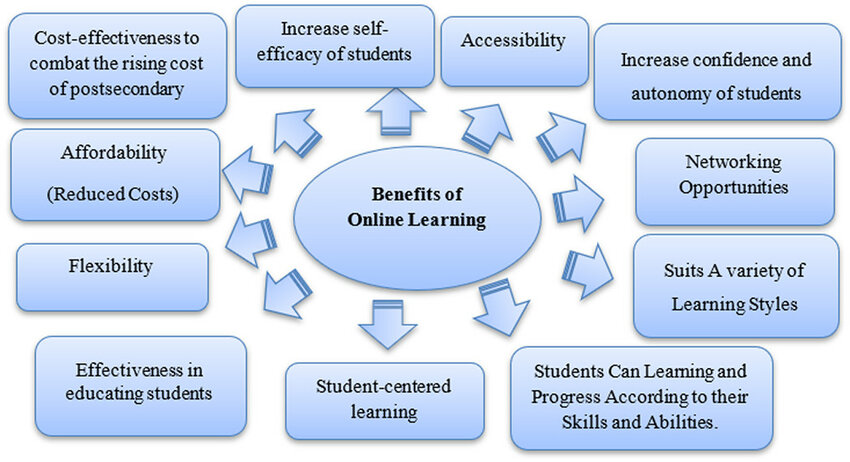
Online and distance education have expanded TNHE significantly, particularly in recent years. Universities can deliver programs to international students without requiring relocation, making education more accessible and flexible. Digital platforms enable students to participate in live lectures, submit assignments, and engage in virtual collaboration with peers worldwide. This model removes geographical barriers, reduces costs associated with travel and accommodation, and allows students to balance studies with professional or personal commitments. Online TNHE also promotes inclusive learning, reaching students in remote or underserved regions.
TNHE provides numerous benefits to students. Access to internationally recognized degrees enhances employability and global career opportunities. Exposure to diverse academic approaches and cultural perspectives fosters critical thinking, intercultural competence, and adaptability. Students gain valuable skills such as language proficiency, networking, and problem-solving in international contexts, preparing them for increasingly interconnected industries and global challenges. These experiences also broaden horizons and encourage lifelong learning, making graduates more versatile and innovative.
Institutions also benefit from TNHE by increasing enrollment, expanding brand recognition, and generating revenue. International partnerships enhance research opportunities, faculty development, and program diversification. TNHE models help universities maintain competitiveness in a global education market while promoting cross-border collaboration, innovation, and knowledge exchange. By reaching new student populations, institutions can also contribute to local economic development and workforce skill enhancement.
Despite the advantages, TNHE faces several challenges. Regulatory compliance across countries can be complex, as educational standards, accreditation requirements, and legal frameworks vary. Cultural differences may affect teaching methods, learning styles, and student expectations. Ensuring quality and maintaining consistency across multiple campuses or programs require careful planning, monitoring, and evaluation. Financial sustainability, faculty recruitment, and technological infrastructure are also critical considerations for successful implementation.
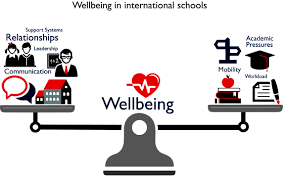
TNHE programs must also address issues of accessibility and equity. Tuition fees and living costs for international programs can be prohibitive for many students, potentially limiting participation to wealthier demographics. Institutions and governments must explore scholarships, financial aid, and inclusive policies to ensure broader access. Additionally, fostering cultural integration, social inclusion, and student support services is essential to help international learners thrive academically and socially.
Research and innovation are further enhanced through TNHE models. Collaborative projects between institutions in different countries encourage the sharing of knowledge, expertise, and resources. Students and faculty benefit from exposure to diverse research methodologies, perspectives, and applications. Transnational research partnerships can address global challenges, from climate change and public health to technological development and social policy, producing solutions with broad societal impact.
In conclusion, transnational higher education models provide students and institutions with opportunities to access quality international education, broaden cultural understanding, and develop globally relevant skills. Branch campuses, collaborative partnerships, and online programs allow for academic mobility, knowledge exchange, and cross-cultural learning. While TNHE presents challenges related to regulation, quality assurance, and accessibility, careful planning and inclusive strategies can maximize its benefits. As globalization continues to shape education and the workforce, transnational higher education will remain a vital pathway for preparing students to succeed in a connected, multicultural world.







Leave a Reply