
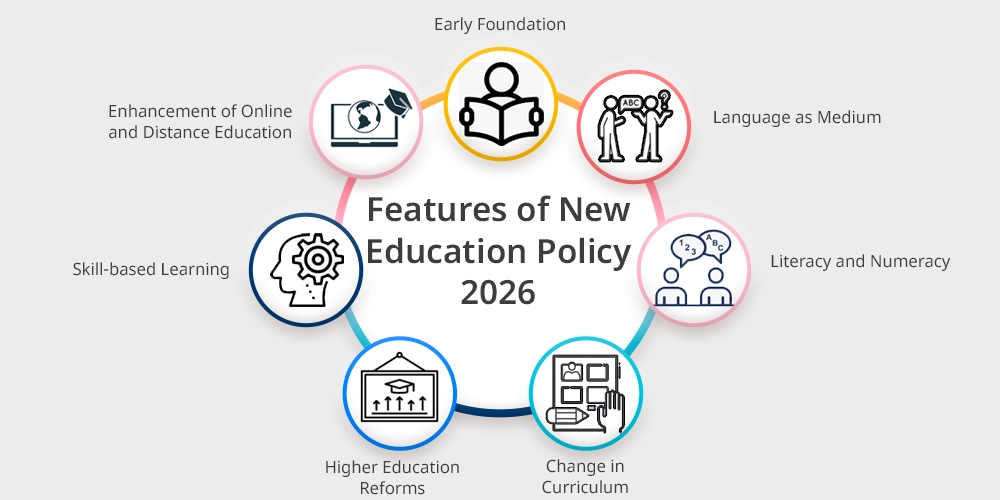
International education plays a crucial role in shaping global learning systems, fostering cross-cultural understanding, and preparing students for an increasingly interconnected world. Policy reform in this context involves governments, institutions, and organizations implementing strategies to improve the quality, accessibility, and relevance of education across borders. Effective policies ensure that students benefit from equitable opportunities, high academic standards, and international collaboration, while also addressing challenges such as mobility, recognition of qualifications, and workforce readiness.
One key area of policy reform is the regulation and quality assurance of international education programs. Governments and accreditation bodies establish standards to ensure that transnational programs, foreign universities, and online learning platforms maintain consistent academic quality. For instance, countries may require foreign institutions to meet local accreditation requirements or implement monitoring mechanisms to safeguard students’ rights. Clear policies help protect learners from substandard programs while promoting transparency, accountability, and trust in international education systems.
Access and equity are also central considerations in international education policy. Students from marginalized or low-income backgrounds may face barriers to studying abroad, such as high tuition costs, visa restrictions, or lack of financial support. Policy reforms can address these disparities through scholarships, grants, and inclusive funding models. Additionally, policies that simplify visa processes, provide student support services, and recognize prior learning create a more equitable and accessible environment for international learners. By prioritizing inclusion, governments and institutions ensure that opportunities in global education are available to all students, regardless of socioeconomic status or geographic location.
Curriculum and pedagogy reform is another important dimension of international education policy. Policies often encourage the integration of global competencies, multilingual education, and intercultural learning into curricula. Students gain skills such as cross-cultural communication, critical thinking, and global problem-solving, which are essential in today’s interconnected workforce. International collaboration among institutions also promotes curriculum alignment and recognition of qualifications, ensuring that students can transfer credits and continue their studies seamlessly across borders.
Teacher training and professional development are critical components of policy reform in international education. Educators must be equipped to teach diverse student populations, implement innovative teaching strategies, and utilize technology effectively. Policies that support ongoing professional development, cross-border exchanges, and collaborative networks enhance teacher competencies and ensure high-quality learning experiences. Well-trained educators play a central role in translating policy objectives into meaningful classroom outcomes.
Mobility and student exchange programs are often a focus of international education policies. Encouraging students to study abroad or participate in cross-border collaborative projects helps build global awareness, cultural sensitivity, and professional networks. Policies that facilitate partnerships between universities, simplify visa regulations, and provide financial support enable broader participation in exchange programs. These initiatives also strengthen diplomatic ties, enhance international cooperation, and contribute to global knowledge exchange.
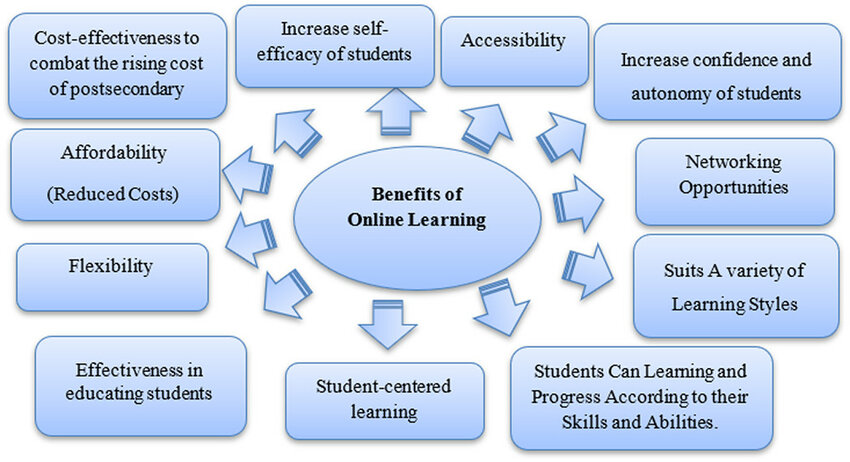
Technology integration is another area where policy reform can have significant impact. Digital platforms, online learning resources, and virtual classrooms expand access to international education, allowing students to engage with global content without leaving their home countries. Policies that promote digital literacy, investment in infrastructure, and data privacy safeguards ensure that technology enhances learning while protecting students. Virtual international programs and collaborative online projects provide flexible and scalable opportunities for cross-cultural engagement.
Policy reform in international education also addresses research collaboration and innovation. Governments and institutions can incentivize joint research initiatives, knowledge sharing, and international conferences, fostering innovation and addressing global challenges. Policies that support funding, intellectual property protection, and cross-border partnerships enhance the quality and impact of research. Students and faculty gain exposure to diverse perspectives, methodologies, and expertise, enriching their educational and professional experiences.
Challenges remain in implementing effective policy reforms in international education. Diverse regulatory frameworks, political considerations, and resource constraints can complicate policy alignment and enforcement. Additionally, ensuring that reforms are inclusive, culturally sensitive, and responsive to local needs requires careful planning and stakeholder engagement. Continuous evaluation, feedback, and adaptation are essential to ensure that policies achieve their intended objectives.
In conclusion, international education and policy reform are essential for creating inclusive, high-quality, and globally relevant learning systems. By addressing quality assurance, access, curriculum, teacher training, mobility, technology integration, and research collaboration, policymakers can ensure that students benefit from equitable and effective international education opportunities. Thoughtful, evidence-based policies promote student success, global competence, and cross-cultural understanding, preparing learners to thrive in an interconnected world. As the landscape of education continues to evolve, policy reform will remain a central tool for enhancing the impact and reach of international education globally.




Leave a Reply