
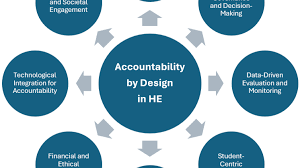
Ethics and accountability are fundamental to the integrity and effectiveness of international education. As the sector continues to expand globally, institutions, governments, and stakeholders face responsibilities to uphold ethical standards, ensure transparency, and promote fairness in academic practices. Ethical considerations encompass admissions, student welfare, research integrity, cross-border partnerships, and financial management, while accountability ensures that institutions meet legal, social, and educational obligations. Maintaining high ethical standards is essential to foster trust, protect learners, and promote sustainable development in the international education landscape.
Admissions processes are a primary area where ethics play a critical role. Universities must ensure that student selection is fair, transparent, and based on merit. This includes avoiding discriminatory practices based on nationality, gender, socioeconomic background, or other factors. Clear communication about eligibility, admission criteria, and program requirements is essential to prevent misunderstandings and maintain trust between students and institutions. Ethical admissions processes ensure that all applicants have equal opportunities to access international education.
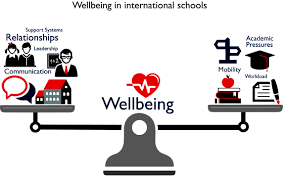
Student welfare is another key component of ethics in international education. Institutions have a responsibility to provide safe, supportive, and inclusive environments. This includes access to housing, healthcare, mental health resources, academic guidance, and social integration programs. Protecting students from exploitation, harassment, or discrimination is a core ethical obligation. Policies and practices that prioritize student well-being contribute to positive learning experiences and reinforce the reputation and credibility of educational institutions.
Research integrity is a critical aspect of accountability in international education. Universities and academic staff must adhere to ethical research practices, including honesty, transparency, and proper attribution of sources. Cross-border collaborations and international research projects require compliance with legal and ethical standards in all participating countries. Maintaining rigorous research ethics ensures the credibility of findings, protects participants, and upholds the global reputation of institutions.
Financial accountability is also essential in international education. Institutions must manage funds responsibly, ensuring that tuition fees, grants, scholarships, and donations are used appropriately and transparently. Clear reporting mechanisms, auditing procedures, and regulatory compliance prevent mismanagement or corruption. Students and stakeholders can trust that resources are used to enhance educational quality, provide support, and maintain infrastructure. Ethical financial practices reinforce confidence in international education systems.
Cross-border partnerships and collaborations require ethical and accountable practices as well. Universities must ensure that agreements with foreign institutions respect local laws, academic standards, and cultural contexts. Intellectual property, data privacy, and equitable distribution of benefits should be addressed in collaborative arrangements. Transparency, mutual respect, and clear communication strengthen these partnerships while promoting ethical conduct in international academic exchanges.
Accreditation and regulatory compliance are mechanisms that promote accountability in international education. Governments and accrediting bodies establish standards and monitor institutions to ensure quality, fairness, and compliance with local and international requirements. Institutions that meet or exceed these standards demonstrate a commitment to ethical practices, continuous improvement, and accountability to students, staff, and society. Accreditation also provides students with assurance that their education meets recognized benchmarks of quality.
Transparency and reporting are integral to ethics and accountability. Universities should openly share information about program quality, learning outcomes, policies, fees, and institutional performance. Open communication builds trust with students, parents, and stakeholders, and allows for informed decision-making. Feedback mechanisms, grievance procedures, and external evaluations provide avenues for addressing concerns and enhancing accountability.
Challenges in maintaining ethics and accountability in international education include varying national regulations, cultural differences, and economic pressures. Institutions must navigate complex legal frameworks, adapt to local expectations, and balance financial sustainability with ethical obligations. Continuous professional development, institutional policies, and international collaboration help address these challenges while upholding high standards of conduct.
Ethics and accountability also extend to social responsibility. International education should contribute positively to society by promoting equity, sustainability, and global citizenship. Institutions are encouraged to engage in community partnerships, inclusive initiatives, and responsible research that addresses global challenges. Embedding ethical values into the curriculum and institutional culture fosters integrity, empathy, and social responsibility among students.
In conclusion, ethics and accountability are essential for maintaining integrity, trust, and quality in international education. By prioritizing fair admissions, student welfare, research integrity, financial responsibility, transparent partnerships, and social responsibility, institutions ensure that international education benefits learners and society alike. Upholding these principles enhances the credibility, reputation, and sustainability of global education systems. As international education continues to grow, embedding ethics and accountability in all practices will remain critical to fostering equitable, responsible, and high-quality learning experiences for students worldwide.







Leave a Reply