
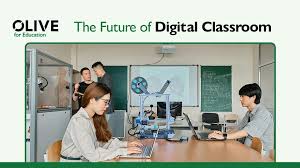
The landscape of education is undergoing a dramatic transformation, largely driven by advancements in technology that are reshaping how classrooms operate. Digital classrooms are no longer a futuristic concept—they are an integral part of modern learning, offering students and educators new tools, opportunities, and challenges. From interactive whiteboards and tablets to online learning management systems and virtual reality, technology is enhancing engagement, accessibility, and personalized learning. This shift is redefining what it means to educate and be educated in the 21st century.
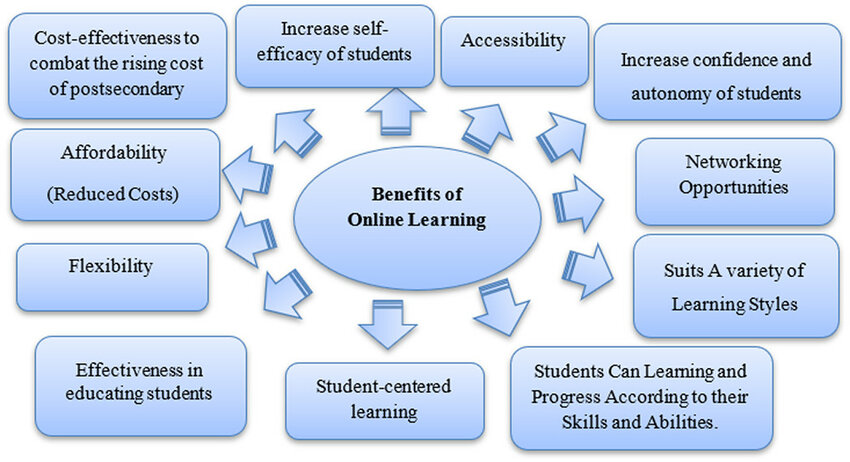
One of the most visible changes in digital classrooms is the integration of online learning platforms. Platforms like Google Classroom, Canvas, and Moodle enable teachers to share resources, assign homework, conduct assessments, and track student progress in real time. Students can access lessons from anywhere, review materials at their own pace, and engage in collaborative projects with classmates. This accessibility helps bridge gaps in education, allowing learners from diverse backgrounds to participate in quality learning experiences.
Interactive technologies such as tablets, touchscreens, and smartboards are enhancing engagement in the classroom. These tools allow students to actively participate in lessons, manipulate digital content, and receive instant feedback. Educational apps and interactive exercises make abstract concepts tangible, catering to different learning styles and improving retention. Games and simulations also provide experiential learning opportunities, allowing students to apply knowledge in practical scenarios. This hands-on approach promotes critical thinking, problem-solving, and creativity, skills essential for success in today’s rapidly changing world.
Virtual and augmented reality (VR and AR) are expanding the possibilities of digital classrooms further. VR enables students to explore immersive environments, such as historical sites, scientific laboratories, or geographic landscapes, without leaving the classroom. AR overlays digital information onto physical spaces, enhancing real-world experiences with interactive content. For example, biology students can examine 3D models of human anatomy, while history students can explore virtual reconstructions of ancient civilizations. These immersive experiences make learning more engaging, memorable, and effective.
Artificial intelligence (AI) is also playing a significant role in shaping digital classrooms. AI-driven tools can provide personalized learning experiences by analyzing student performance and adapting lessons accordingly. These systems identify areas where learners struggle, recommend additional resources, and adjust difficulty levels to ensure consistent progress. AI can also automate administrative tasks for educators, such as grading assignments or tracking attendance, freeing teachers to focus on instruction and individualized support. Personalized learning powered by AI fosters engagement, motivation, and improved outcomes for students of all abilities.
Collaboration in digital classrooms has been enhanced through technology. Online discussion boards, shared documents, and video conferencing enable students to work together on projects and exchange ideas regardless of location. Platforms like Microsoft Teams and Zoom allow educators to connect with students for live sessions, tutoring, or group activities. Collaborative learning fosters communication skills, teamwork, and creativity, preparing students for professional environments where remote collaboration is increasingly common.
The integration of technology also helps address education equity and inclusivity. Digital classrooms can provide accessibility features such as text-to-speech, closed captions, and adjustable display options for students with disabilities. Online resources ensure that students in remote or underserved regions can access quality educational content, reducing disparities in learning opportunities. Additionally, adaptive learning platforms accommodate diverse learning speeds and styles, ensuring no student is left behind.
Despite its many benefits, the shift to digital classrooms presents challenges. Not all students have equal access to devices, high-speed internet, or digital literacy skills, creating potential gaps in learning. Teachers require professional development to effectively integrate technology, design engaging digital lessons, and manage virtual classrooms. Privacy and cybersecurity concerns are also critical, as sensitive student data must be protected in increasingly connected environments. Educators and policymakers must balance technological adoption with safeguards to ensure a safe, equitable, and effective learning experience.
Looking ahead, the future of digital classrooms is likely to become even more immersive, connected, and personalized. The combination of AI, VR, AR, and cloud-based platforms will create highly interactive, adaptive, and globally connected learning environments. Classrooms may incorporate real-time analytics to track learning progress, interactive simulations for practical skill development, and collaborative spaces where students from different regions work together seamlessly. These innovations will enhance engagement, deepen understanding, and prepare students for the challenges and opportunities of the 21st century.
In conclusion, technology is fundamentally reshaping education through digital classrooms, offering tools and experiences that enhance learning, engagement, and accessibility. From interactive devices and AI-driven personalization to virtual reality explorations and collaborative platforms, digital classrooms provide transformative opportunities for students and educators alike. While challenges remain, the thoughtful integration of technology in education promises to create richer, more inclusive, and effective learning experiences that will define the future of education.





Leave a Reply