
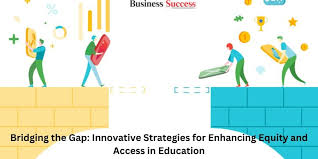
Education equity has become a central focus in global discussions about learning, as disparities in access, quality, and outcomes continue to affect millions of students worldwide. Achieving equitable education means ensuring that all learners, regardless of socioeconomic background, gender, ethnicity, disability, or geographic location, have the opportunity to reach their full potential. Addressing these gaps is not only a moral imperative but also a critical factor in fostering social mobility, economic development, and inclusive societies.
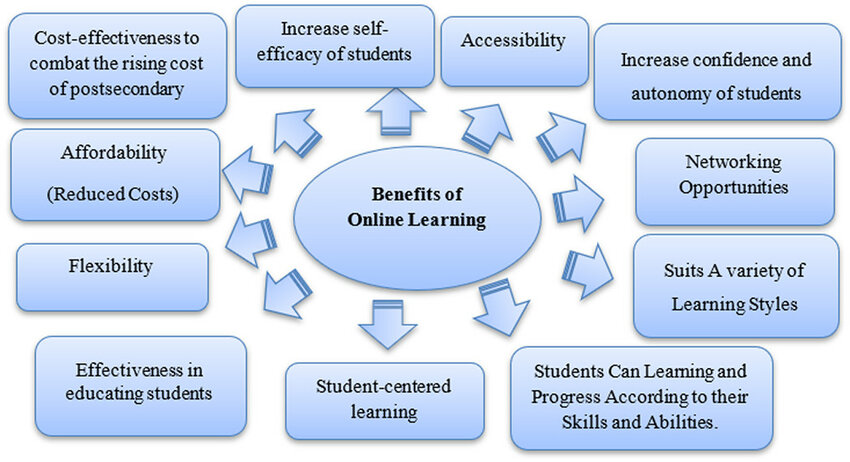
One of the primary challenges to education equity is access. In many regions, particularly in developing countries or rural areas, schools may be scarce, poorly resourced, or difficult to reach. Students in these areas often face long commutes, inadequate facilities, and a lack of qualified teachers. Digital technology has emerged as a potential solution, with online learning platforms, mobile education apps, and remote teaching tools providing opportunities for learners to access quality content regardless of location. Platforms like Khan Academy and Coursera help bridge geographic gaps by making educational resources widely available.
Socioeconomic disparities are another major barrier to equity. Students from low-income families may lack essential resources, including textbooks, technology, internet access, or supportive learning environments. Financial constraints can also limit opportunities for extracurricular activities, enrichment programs, and higher education. Addressing these inequalities requires targeted policy interventions, such as scholarships, grants, free educational resources, and community support programs. Ensuring equitable funding and resource allocation is essential for leveling the playing field and providing all students with the tools they need to succeed.
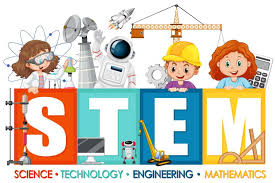
Gender inequality remains a critical issue in many parts of the world. Girls and young women often face barriers to education due to cultural norms, early marriage, household responsibilities, or safety concerns. Promoting gender equity requires comprehensive strategies, including awareness campaigns, safe learning environments, mentorship programs, and policies that encourage female participation in traditionally male-dominated fields such as science, technology, engineering, and mathematics (STEM). Organizations like UNESCO have highlighted the importance of inclusive policies to ensure that girls have equal access to quality education.
Inclusive education for students with disabilities is also a central component of equity. Accessible learning materials, adaptive technologies, and trained educators are crucial for enabling students with diverse needs to participate fully. Assistive tools such as screen readers, speech-to-text software, and customized learning platforms help accommodate a variety of physical, sensory, and cognitive challenges. By fostering inclusive classrooms, educators promote equality and empower students with disabilities to achieve academic and personal success.
Language barriers can further complicate education equity, particularly in multilingual societies or regions where instruction is delivered in a language that is not native to students. Providing multilingual resources, culturally relevant curriculum, and language support programs ensures that all learners can engage effectively with content and achieve learning outcomes. This approach strengthens comprehension, confidence, and participation among students from diverse linguistic backgrounds.
Policy reforms and governmental initiatives play a crucial role in promoting education equity. Countries that implement inclusive policies, equitable funding mechanisms, and accountability measures tend to achieve better outcomes for marginalized populations. Investment in teacher training, infrastructure development, and technology integration helps create environments where all students have opportunities to thrive. Collaboration between governments, non-governmental organizations, and private sectors further enhances the effectiveness of equity-focused initiatives.
Community and parental involvement are equally important. Engaging families and communities in the learning process fosters supportive environments that reinforce educational goals. Programs that provide parental education, mentorship, and local engagement help ensure that learners receive consistent guidance and encouragement, reducing dropout rates and improving outcomes. Community participation also promotes culturally relevant education that resonates with students’ lives and experiences.
Despite progress in many areas, global education equity remains an ongoing challenge. Disparities in quality, resources, and outcomes persist, particularly in low-income countries, conflict-affected regions, and marginalized communities. Monitoring, evaluation, and data-driven strategies are essential for identifying gaps, assessing interventions, and ensuring accountability. Continuous investment, innovation, and collaboration are necessary to sustain progress and achieve truly equitable education for all.
In conclusion, education equity is essential for creating inclusive, fair, and effective learning environments worldwide. By addressing barriers related to access, socioeconomic status, gender, disability, and language, educators, policymakers, and communities can ensure that all learners have the opportunity to succeed. Equitable education promotes social mobility, economic development, and societal cohesion while empowering individuals to achieve their potential. As global efforts continue to focus on bridging these gaps, education systems will become more inclusive, accessible, and capable of preparing every student for a successful future.




Leave a Reply