
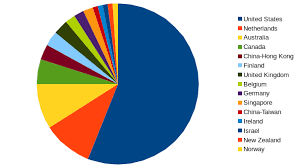
Global rankings have become a significant factor in international education, influencing students’ choices, institutional strategies, and national policies. University rankings assess institutions based on criteria such as academic reputation, research output, teaching quality, internationalization, and employability of graduates. These rankings provide benchmarks for students seeking high-quality education abroad and for universities aiming to improve their global standing. While rankings are often debated for their methodologies, they undeniably shape the landscape of international higher education.
One of the primary impacts of global rankings is on student decision-making. Prospective students often rely on rankings to identify universities that offer strong academic programs, research opportunities, and global recognition. High-ranking institutions are perceived as more prestigious, increasing their attractiveness to both domestic and international students. Students may also consider rankings when selecting programs aligned with career goals, scholarships, and opportunities for networking and professional advancement. This influence affects not only enrollment patterns but also the global mobility of talent.
Institutions respond to rankings by adapting strategies to enhance performance metrics. Universities focus on improving research output, international collaborations, faculty qualifications, and student services to climb the rankings ladder. Initiatives may include publishing in high-impact journals, increasing partnerships with foreign universities, recruiting international faculty, and investing in infrastructure and technology. While rankings can drive positive reforms, there is a risk that universities may prioritize measurable metrics over educational quality or student-centered approaches, making balanced planning essential.
Global rankings also impact national education policies. Governments often use rankings to benchmark their institutions against international standards and to inform higher education strategies. Policy reforms may focus on research funding, international student recruitment, curriculum development, and quality assurance to improve national standings. Countries with top-ranking universities attract talent, investment, and partnerships, contributing to economic growth and global influence. Rankings thus act as both a tool for institutional improvement and a driver of national educational competitiveness.
Internationalization is a key factor in global rankings. Universities that recruit international students, faculty, and research collaborations tend to perform better in ranking metrics. This incentivizes institutions to develop programs that appeal to a diverse student population, provide support for foreign learners, and foster cross-cultural learning environments. Internationalization not only improves rankings but also enriches the educational experience by exposing students to different perspectives, languages, and ideas.
Rankings also influence research and innovation strategies. Institutions prioritize high-quality research publications, citation impact, and global collaborations to enhance their visibility. Research-intensive universities invest in cutting-edge facilities, interdisciplinary projects, and partnerships with international organizations. These efforts not only improve rankings but also contribute to scientific discovery, technological advancement, and global problem-solving. Students benefit from access to leading research initiatives, experiential learning, and opportunities to engage with global challenges.
Despite their influence, global rankings have limitations and criticisms. Methodologies may favor large, research-intensive universities over smaller institutions or those excelling in teaching-focused outcomes. Cultural, linguistic, and regional factors may be underrepresented, potentially skewing results. Rankings often emphasize quantifiable outputs while neglecting qualitative aspects such as student satisfaction, community engagement, and ethical education practices. Awareness of these limitations is important for students, educators, and policymakers when interpreting and responding to rankings.
Global rankings also affect equity in international education. High-ranking universities may attract wealthier students with greater access to resources, while underrepresented or disadvantaged populations may struggle to gain entry. Policies promoting scholarships, financial aid, and inclusive admission practices can help mitigate these disparities, ensuring that global recognition benefits a broader range of learners. Similarly, regional institutions can leverage rankings strategically to strengthen programs and visibility while maintaining accessibility.
Technology has amplified the visibility and impact of global rankings. Online platforms provide instant access to ranking data, comparisons, and analytics, influencing student and institutional decisions worldwide. Social media, virtual campus tours, and digital marketing further reinforce the influence of rankings on global perception, highlighting the importance of reputation management and strategic communication in international education.
In conclusion, global rankings significantly shape international education by influencing student choices, institutional strategies, and national policies. While they provide benchmarks for academic quality, research, and internationalization, stakeholders must approach rankings critically, balancing metrics with broader educational goals. By strategically responding to rankings while promoting accessibility, quality, and inclusivity, universities can enhance their global impact and provide meaningful educational experiences. As global competition intensifies, rankings will continue to drive innovation, international collaboration, and excellence in higher education worldwide.







Leave a Reply