
Artificial Intelligence (AI) is transforming the field of education by enabling personalized learning, automating administrative tasks, and providing advanced analytics to improve teaching and learning outcomes. Its integration into classrooms, online platforms, and educational tools has created a paradigm shift, allowing educators to focus on individualized instruction while students benefit from tailored learning experiences. AI is not just a technological innovation; it represents a fundamental change in how knowledge is delivered, assessed, and applied.
One of the primary ways AI revolutionizes education is through personalized learning. AI systems analyze vast amounts of student data, including assessment results, learning patterns, and engagement metrics, to create customized learning pathways. These systems adapt content, difficulty, and pacing according to each student’s abilities and needs. Platforms like DreamBox Learning and Squirrel AI demonstrate how AI can deliver lessons that are neither too easy nor too difficult, maintaining motivation while maximizing knowledge retention. Personalized learning powered by AI ensures that students receive targeted support, accelerating progress and addressing individual challenges effectively.
AI also supports intelligent tutoring systems that provide real-time guidance to learners. These virtual tutors offer hints, explanations, and feedback tailored to student responses, simulating one-on-one instruction. For example, AI-driven writing assistants can analyze essays, highlight grammar issues, and suggest improvements, while math tutoring platforms guide problem-solving step by step. These systems provide immediate, adaptive support, enhancing learning outside traditional classrooms and allowing students to explore topics independently at their own pace.
Beyond instruction, AI automates numerous administrative and evaluative tasks for educators. Grading assignments, tracking attendance, and analyzing performance data can be time-consuming and prone to human error. AI systems streamline these processes, generating detailed reports, identifying learning gaps, and even predicting student outcomes based on trends. By reducing administrative workload, teachers can focus on meaningful interaction, mentoring, and curriculum development, enhancing the overall quality of education.
AI-driven analytics also provide valuable insights for curriculum design and policy decisions. By examining student performance across demographics, schools and governments can identify patterns, assess the effectiveness of teaching methods, and optimize educational strategies. Predictive analytics can forecast areas where students are likely to struggle, enabling proactive interventions. This data-driven approach ensures that educational resources are allocated efficiently and that instructional methods continuously evolve based on measurable outcomes.
Virtual reality (VR) and augmented reality (AR) combined with AI further enhance learning experiences. AI can adjust VR and AR simulations in real time to match student progress, creating adaptive immersive learning environments. For instance, medical students can practice complex surgical procedures with AI-driven feedback, while language learners can engage in interactive conversations with AI-powered virtual characters. These experiences make learning more engaging, practical, and effective, bridging the gap between theory and real-world application.
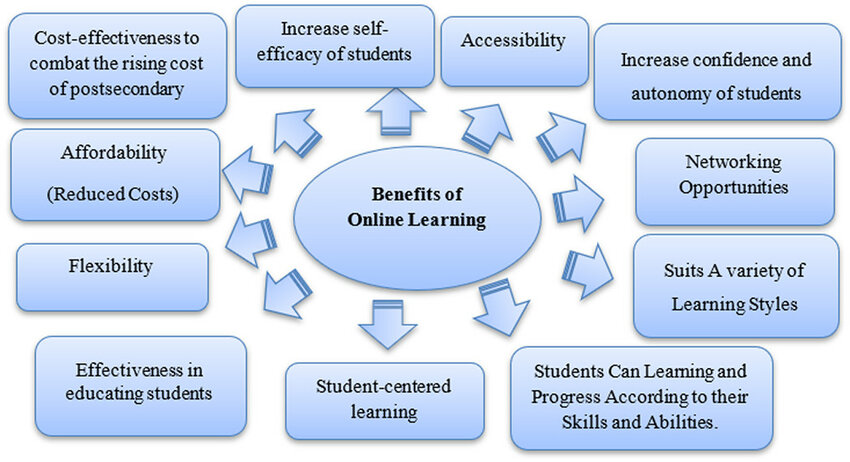
AI also plays a role in fostering inclusivity and accessibility. Students with disabilities, language barriers, or learning difficulties can benefit from AI-powered assistive technologies. Speech-to-text applications, adaptive reading tools, and personalized learning modules ensure that diverse learners can participate fully in educational experiences. AI reduces obstacles, providing equitable access to education and helping all students achieve their potential.
Despite its transformative potential, AI in education presents challenges. Ethical considerations, data privacy, and algorithmic bias must be carefully managed to protect student information and ensure fairness. Educators require training to effectively integrate AI tools, and reliance on AI should complement rather than replace human interaction. Thoughtful implementation is critical to balancing technological innovation with pedagogical goals.
AI also encourages a shift in educational philosophy. Instead of focusing solely on rote memorization, AI enables student-centered approaches that emphasize critical thinking, problem-solving, and creativity. Learners can explore subjects dynamically, receive personalized guidance, and engage with content interactively, preparing them for the demands of the modern workforce. The combination of AI and human instruction creates a synergistic environment where technology enhances rather than diminishes the learning experience.
In conclusion, Artificial Intelligence is revolutionizing education by delivering personalized learning, intelligent tutoring, administrative automation, and actionable insights. It empowers educators to focus on teaching and mentoring while providing students with tailored, engaging, and adaptive learning experiences. By enhancing accessibility, promoting inclusivity, and integrating with immersive technologies, AI is reshaping the educational landscape, making learning more efficient, effective, and relevant. As AI continues to evolve, its impact on education will grow, paving the way for smarter classrooms, individualized instruction, and a future where every learner can thrive.



Leave a Reply