

Education in the 21st century faces unique challenges and opportunities as technology, societal changes, and evolving workforce demands reshape learning environments. Innovative teaching strategies are essential to prepare students for a rapidly changing world, emphasizing critical thinking, creativity, collaboration, and adaptability. Modern educators are moving beyond traditional lecture-based instruction, adopting methods that actively engage learners, leverage technology, and promote lifelong learning skills. By rethinking pedagogy, teachers can foster meaningful learning experiences that equip students to thrive academically, socially, and professionally.
One of the most influential strategies is project-based learning (PBL), which engages students in real-world problems and challenges. Instead of memorizing facts, learners collaborate on projects that require research, analysis, and creative solutions. For example, students may design sustainable energy solutions, create multimedia campaigns for social issues, or develop prototypes for innovative technologies. PBL encourages critical thinking, problem-solving, and collaboration, making learning relevant, practical, and deeply engaging. Students also gain ownership of their learning, enhancing motivation and accountability.
Flipped classrooms are another transformative approach, reversing the traditional model of instruction. In a flipped classroom, students access lectures, readings, or video content at home and engage in interactive activities, discussions, and hands-on exercises during class time. This method maximizes classroom interaction, allowing teachers to provide individualized guidance and address misconceptions in real time. Flipped classrooms promote active learning, peer collaboration, and deeper comprehension, while also developing self-directed learning skills essential for modern education.
Gamification is increasingly used to enhance engagement and motivation. By incorporating elements such as points, levels, challenges, and rewards, teachers can make learning interactive and enjoyable. Gamified lessons encourage persistence, healthy competition, and goal-setting while reinforcing key concepts. Platforms like Kahoot! and Classcraft allow educators to integrate game mechanics seamlessly into instruction, increasing participation and improving knowledge retention.
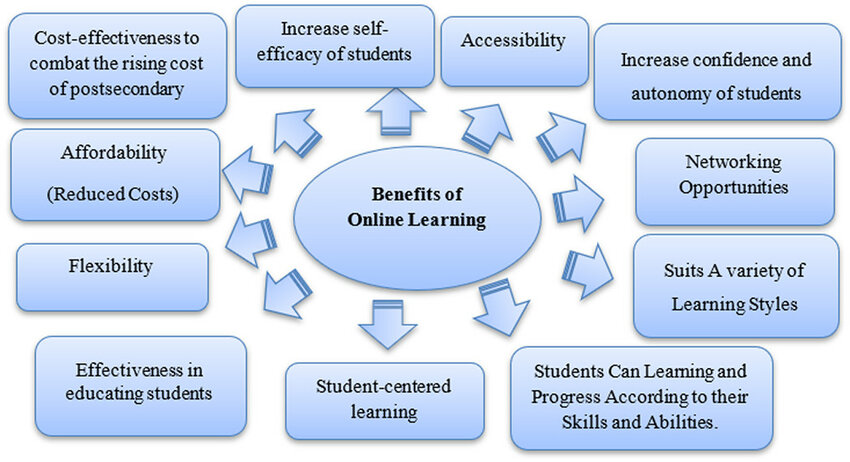
Blended learning combines face-to-face instruction with online learning, providing flexibility and personalization. Students can access digital resources, complete assignments online, and participate in interactive modules, complementing traditional classroom activities. This approach accommodates diverse learning styles, fosters self-paced progression, and allows educators to focus on individual needs. Blended learning also supports differentiated instruction, ensuring that students receive content and support appropriate to their abilities and interests.
Collaborative learning emphasizes teamwork, communication, and problem-solving. Group activities, peer feedback, and cooperative projects encourage students to share knowledge, debate ideas, and build social skills. Collaboration mirrors real-world professional environments, preparing learners for teamwork in higher education and the workplace. Digital collaboration tools, such as Microsoft Teams and Zoom, further enable virtual cooperation, bridging physical and geographical barriers.
Incorporating technology in innovative ways enhances teaching strategies. Virtual and augmented reality provide immersive experiences, allowing students to explore complex concepts and environments. Artificial intelligence supports adaptive learning, providing real-time feedback and personalized pathways. Interactive simulations, coding exercises, and multimedia content make lessons dynamic, engaging, and relevant to modern skills demands. Technology integration ensures students develop digital literacy alongside core academic competencies.
Formative assessment and continuous feedback are critical components of 21st-century teaching strategies. Ongoing evaluation allows educators to identify gaps, adjust instruction, and provide targeted support. Digital tools enable real-time tracking of student progress, while interactive quizzes, reflection exercises, and peer assessments promote self-awareness and growth. By emphasizing feedback over high-stakes testing, students become active participants in their learning journey, developing resilience and reflective thinking skills.
Creativity and innovation are central to modern education. Encouraging students to explore ideas, experiment with solutions, and think critically prepares them for complex problem-solving. Makerspaces, design challenges, and creative projects provide opportunities for hands-on learning and innovation. By fostering a mindset of curiosity and exploration, teachers help students develop skills essential for success in the rapidly evolving global landscape.
Despite the many benefits, implementing innovative teaching strategies requires thoughtful planning, training, and support. Educators need professional development to integrate technology effectively, manage collaborative projects, and design meaningful learning experiences. Schools must provide infrastructure, resources, and policies that support innovation while maintaining academic rigor. Addressing these challenges ensures that students receive high-quality, engaging, and effective education.
In conclusion, innovative teaching strategies in the 21st century emphasize engagement, collaboration, critical thinking, and creativity. Approaches such as project-based learning, flipped classrooms, gamification, blended learning, and technology integration transform traditional instruction into dynamic, student-centered experiences. By fostering problem-solving, adaptability, and digital literacy, these strategies prepare students for academic success, professional readiness, and lifelong learning. As education continues to evolve, innovative teaching methods will remain central to shaping the next generation of capable, curious, and adaptable learners.





Leave a Reply