
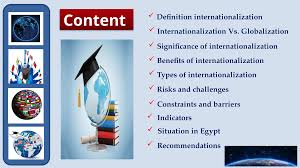
Curriculum internationalization is a key aspect of modern international education, focusing on integrating global perspectives, cross-cultural understanding, and international competencies into academic programs. This approach prepares students to navigate an increasingly interconnected world, fostering skills such as intercultural communication, critical thinking, and global problem-solving. By embedding international content, experiences, and collaborations into curricula, educational institutions enhance the relevance, quality, and competitiveness of their programs, equipping learners to succeed in diverse academic, professional, and social contexts.
One of the primary goals of curriculum internationalization is to develop global competencies among students. This includes understanding different cultural norms, economic systems, political structures, and social practices. By exposing students to international perspectives, educators encourage open-mindedness, empathy, and adaptability. Courses may include comparative studies, case analyses of global issues, and cross-cultural projects, enabling students to apply theoretical knowledge in a worldwide context. This approach ensures that learners are not only academically competent but also socially and culturally aware.
Study abroad programs, exchange initiatives, and international internships are important components of curriculum internationalization. These experiences allow students to immerse themselves in different cultural and educational environments, develop language skills, and gain first-hand understanding of global practices. By participating in international learning experiences, students broaden their horizons, build professional networks, and acquire practical knowledge that complements classroom learning. Institutions benefit from enhanced global visibility and strengthened international partnerships through these programs.
Integrating international perspectives into the curriculum also involves revising course content, teaching methods, and assessment strategies. Faculty may incorporate case studies from multiple countries, invite guest lecturers with global expertise, and use comparative frameworks to analyze local and international contexts. Assessments may include collaborative projects with international peers, research on global issues, and presentations that require cross-cultural awareness. This integration ensures that students develop critical thinking skills while understanding the global relevance of their studies.
Technology plays a significant role in curriculum internationalization by facilitating virtual exchanges, online collaborations, and access to international resources. Platforms such as edX and Coursera enable students to take courses offered by universities around the world, while virtual classrooms and video conferencing tools allow cross-border collaboration on projects and discussions. Technology enhances access, flexibility, and engagement, enabling learners to experience international education without necessarily leaving their home country.
Language learning is a critical aspect of curriculum internationalization. Proficiency in additional languages enhances students’ ability to communicate across cultures, access global resources, and participate effectively in international work environments. Institutions often offer multilingual courses, language immersion programs, and translation support to foster linguistic competence. Strong language skills complement academic knowledge, facilitating both cultural understanding and professional readiness.
Faculty development is essential to successfully internationalize the curriculum. Educators must be trained to incorporate global perspectives, design cross-cultural learning experiences, and employ inclusive teaching strategies. Professional development programs, international collaborations, and exchange opportunities help instructors gain insights into diverse educational systems, pedagogical approaches, and cultural contexts. Faculty equipped with global knowledge and skills can create meaningful, internationally relevant learning experiences for students.
Curriculum internationalization also supports research and innovation. Collaborative research projects with international partners allow students and faculty to explore global issues, share methodologies, and develop solutions with broader applicability. Topics such as climate change, public health, technology, and social policy benefit from international collaboration, as they require multidisciplinary perspectives and diverse expertise. Engaging students in international research enhances critical thinking, creativity, and practical problem-solving skills.
Challenges in curriculum internationalization include aligning standards across countries, addressing resource constraints, and ensuring equitable access to international experiences. Institutions must consider local contexts, cultural sensitivity, and student diversity when designing programs. Additionally, financial support, scholarship opportunities, and virtual alternatives help ensure that internationalization benefits all students, not just those with the means to participate in overseas experiences.
In conclusion, curriculum internationalization enriches international education by embedding global perspectives, cross-cultural learning, and international competencies into academic programs. By integrating study abroad, virtual collaboration, multilingual education, faculty development, and research opportunities, institutions prepare students to thrive in a globalized world. Effective internationalization enhances academic quality, student engagement, and professional readiness, while fostering cultural awareness, adaptability, and innovation. As global interconnectedness continues to shape education and the workforce, curriculum internationalization will remain a vital strategy for preparing students to navigate and contribute to an increasingly complex and diverse world.

Leave a Reply