
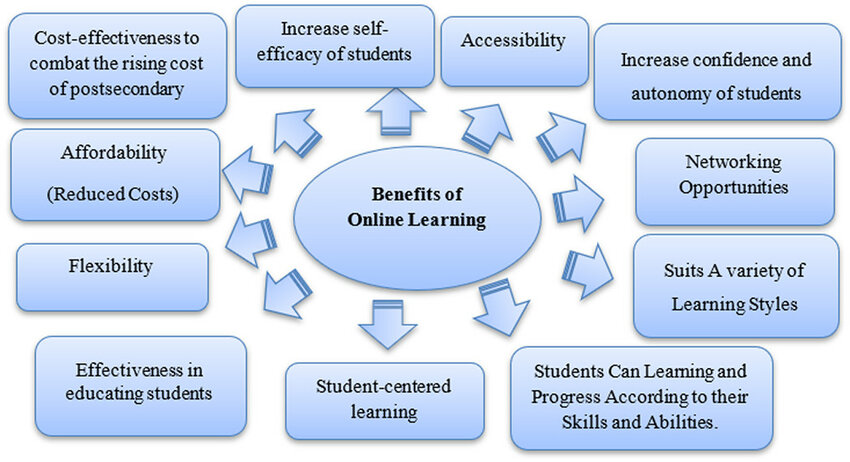
Online learning platforms have become a cornerstone of modern education, offering flexible, accessible, and interactive opportunities for learners worldwide. With the growth of internet connectivity, mobile devices, and cloud-based technologies, education is no longer confined to physical classrooms. Students can access courses, resources, and collaborative tools from anywhere, allowing learning to occur at any time. These platforms have transformed how knowledge is delivered, assessed, and experienced, providing both opportunities and challenges for educators, learners, and institutions.
One of the most significant benefits of online learning platforms is accessibility. Students in remote areas, those with mobility limitations, or learners with busy schedules can participate in high-quality education without geographical or temporal constraints. Platforms such as Coursera, edX, and Udemy provide courses from top universities, industry experts, and specialized instructors, offering knowledge that may have previously been out of reach. This democratization of education has expanded opportunities for millions of learners, promoting lifelong learning and professional development.
Online platforms also offer personalized learning experiences. Learners can progress at their own pace, revisit lessons, and choose courses aligned with their interests or career goals. Adaptive learning technologies embedded within these platforms analyze user performance, providing targeted recommendations and support. This personalization helps students focus on areas where they need improvement, fostering mastery of concepts while maintaining engagement. Interactive content, quizzes, and simulations further enhance understanding by allowing learners to actively apply knowledge rather than passively consuming information.
Flexibility is another key advantage of online learning. Students can access lectures, readings, and assignments according to their schedules, balancing education with work, family, or other commitments. This asynchronous learning model enables individuals to learn at a pace and time that suits them, promoting consistent progress without the pressure of fixed classroom schedules. Synchronous options, such as live webinars and virtual classrooms, also provide real-time interaction with instructors and peers, blending flexibility with engagement.
Collaboration and social interaction are facilitated through online platforms as well. Discussion forums, group projects, video conferencing, and peer reviews create opportunities for communication, teamwork, and knowledge sharing. Platforms like Zoom and Microsoft Teams enable students to engage in meaningful dialogue, ask questions, and participate in virtual communities. This connectivity helps reduce the sense of isolation that can accompany online learning while building digital communication and teamwork skills essential for modern careers.
Despite these benefits, online learning platforms face challenges that require careful consideration. One of the primary concerns is engagement. Without the physical presence of instructors and classmates, students may experience decreased motivation or procrastination. Ensuring consistent interaction, providing timely feedback, and incorporating gamified elements or interactive content can help address these issues, keeping learners actively involved.
Technical barriers also pose challenges. Students need reliable internet access, compatible devices, and basic digital literacy to participate effectively. In regions with limited connectivity or insufficient resources, these barriers can exacerbate educational inequities. Institutions must consider these factors and provide support, such as offline access options, low-bandwidth solutions, and technical assistance, to ensure inclusivity and accessibility.
Assessment and credentialing in online platforms also present difficulties. Ensuring academic integrity, accurately evaluating student performance, and maintaining credibility require robust systems, proctoring solutions, and careful design of assessments. Additionally, instructors may need training to adapt teaching methods to digital environments, effectively use platform tools, and monitor student progress remotely.
Despite these challenges, online learning platforms are increasingly integrated into formal education systems. Many schools, universities, and training institutions adopt hybrid or blended models that combine in-person instruction with online components. This approach leverages the flexibility and scalability of digital platforms while retaining the benefits of face-to-face interaction, creating a balanced, effective learning experience.
The future of online learning platforms looks promising, driven by advancements in artificial intelligence, virtual and augmented reality, and interactive content. AI can provide personalized learning paths, adaptive assessments, and real-time feedback, while VR and AR enable immersive simulations and experiential learning. Gamified elements and collaborative tools will continue to enhance engagement and motivation, making online education more effective and enjoyable.
In conclusion, online learning platforms offer unparalleled flexibility, accessibility, and personalization, transforming education for learners across the globe. They provide opportunities for self-paced learning, skill development, and lifelong education while fostering collaboration and interactive engagement. However, challenges such as engagement, technical barriers, and assessment integrity must be addressed to maximize effectiveness. As technology evolves and digital education becomes increasingly sophisticated, online learning platforms will play a critical role in shaping the future of education, making learning more inclusive, adaptive, and transformative.






Leave a Reply