
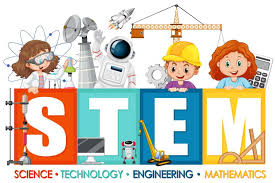
STEM education, which encompasses science, technology, engineering, and mathematics, has become a cornerstone of modern learning, aimed at equipping students with the skills needed to thrive in a rapidly evolving world. As technological innovation accelerates, economies become increasingly knowledge-based, and global challenges grow more complex, STEM education prepares students to think critically, solve problems, and innovate. By integrating interdisciplinary knowledge with practical applications, STEM education empowers learners to engage with the world in meaningful and impactful ways.
One of the primary goals of STEM education is to foster problem-solving and critical thinking skills. Rather than memorizing facts, students are encouraged to analyze information, develop hypotheses, and test solutions. For example, engineering projects may require learners to design functional structures, while mathematics and technology courses emphasize logical reasoning and data analysis. These problem-solving experiences not only enhance academic understanding but also prepare students for careers in fields that demand creativity, adaptability, and analytical thinking.
Hands-on learning is a core component of effective STEM education. Experiential activities, laboratory experiments, coding exercises, robotics challenges, and maker projects allow students to apply theoretical knowledge to real-world scenarios. Platforms like Kerbal Space Program provide students with interactive simulations to explore physics and engineering concepts, while robotics kits and coding platforms enable experimentation with programming and automation. This practical approach makes learning engaging, memorable, and directly relevant to career skills.
Technology integration enhances STEM learning by providing students with tools to explore, analyze, and create. Digital platforms, simulation software, and interactive applications allow learners to visualize complex concepts, conduct virtual experiments, and collaborate remotely. Artificial intelligence and data analytics offer personalized instruction, adaptive challenges, and instant feedback, ensuring that learners receive guidance tailored to their abilities. This technology-driven approach not only improves understanding but also fosters confidence and motivation.
Collaboration and teamwork are emphasized in STEM education to reflect real-world problem-solving environments. Students often work in groups to tackle complex projects, combining their skills, knowledge, and creativity to design solutions. Collaborative activities develop communication, leadership, and negotiation skills, while also exposing learners to diverse perspectives. Competitions, hackathons, and science fairs provide additional opportunities for students to apply their learning in cooperative and competitive settings, promoting innovation and practical experience.
STEM education also aims to bridge gaps in workforce readiness. As industries increasingly rely on technology and scientific knowledge, demand for skilled professionals in fields such as engineering, data science, biotechnology, and information technology continues to grow. By developing STEM competencies early, education systems help prepare students for high-demand careers, equipping them with the knowledge, skills, and confidence to succeed in a competitive global economy.
In addition to career preparation, STEM education fosters creativity and innovation. Students are encouraged to experiment, iterate, and think outside traditional frameworks, combining scientific principles with imaginative problem-solving. This mindset cultivates entrepreneurial thinking and equips learners to address complex challenges such as climate change, healthcare innovation, and technological advancement. By linking creativity with technical knowledge, STEM education empowers students to become proactive innovators and informed global citizens.
Accessibility and inclusivity are critical considerations in STEM education. Efforts to reduce barriers for underrepresented groups, including women, minorities, and students in underserved regions, aim to ensure equitable opportunities for all learners. Initiatives such as mentorship programs, scholarships, targeted outreach, and inclusive curriculum design help create a diverse STEM pipeline, enriching the field with multiple perspectives and fostering broader societal impact.
Despite its importance, STEM education faces challenges. Limited resources, insufficient teacher training, and curriculum constraints can impede effective implementation. Integrating hands-on, technology-driven learning with standard academic requirements requires careful planning and institutional support. Ensuring student engagement and fostering interest in STEM subjects also demands creative instructional strategies, real-world relevance, and meaningful applications that connect learning to everyday life.
The future of STEM education is promising, driven by technological advancements, interdisciplinary approaches, and global collaboration. Emerging fields such as artificial intelligence, renewable energy, biotechnology, and space exploration provide new opportunities for learning and innovation. Integrating digital tools, virtual laboratories, coding platforms, and collaborative networks will further enhance engagement, understanding, and skill development. By fostering problem-solving, creativity, and critical thinking, STEM education prepares students to navigate an increasingly complex and technologically advanced world.
In conclusion, STEM education plays a vital role in preparing students for the challenges and opportunities of the future. By combining hands-on learning, technology integration, collaboration, and critical thinking, it equips learners with the skills, knowledge, and confidence to succeed in a rapidly evolving global landscape. STEM education nurtures innovation, creativity, and practical problem-solving, fostering lifelong learning and career readiness. As education systems continue to adapt to technological and societal changes, STEM education will remain a foundational pillar in developing capable, adaptable, and forward-thinking individuals.



Leave a Reply