
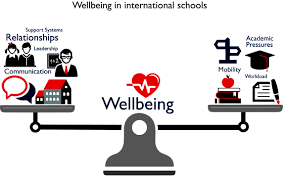
Student well-being is a critical aspect of international education, encompassing mental, emotional, social, and physical health. Studying abroad presents unique opportunities for cultural immersion, academic growth, and personal development, but it also introduces challenges such as homesickness, cultural adjustment, academic pressure, and social isolation. Ensuring the well-being of international students is essential for their academic success, personal growth, and overall satisfaction with the educational experience. Institutions, policymakers, and communities must implement strategies that address these challenges while promoting resilience, inclusion, and holistic support.
One of the most significant factors affecting international student well-being is cultural adjustment. Students often encounter different social norms, language barriers, and unfamiliar academic expectations, which can create stress and anxiety. Orientation programs, cultural training, and mentorship initiatives help students navigate these challenges. Peer mentoring programs, for instance, pair new international students with experienced learners who provide guidance on academics, social life, and practical concerns, fostering a sense of belonging and community.
Mental health support is another crucial component. International students may face increased risk of stress, anxiety, depression, and loneliness due to the pressures of studying abroad. Accessible counseling services, mental health workshops, and online support platforms are essential in addressing these needs. Institutions that offer culturally sensitive counseling, multilingual resources, and confidential support can help students manage emotional challenges effectively, promoting well-being and academic resilience.
Academic pressure also impacts student well-being. High expectations, rigorous coursework, and unfamiliar educational systems can be overwhelming. Institutions can support students by providing academic advising, tutoring, and study skills workshops tailored to international learners. Flexible learning options, clear communication of expectations, and early intervention for struggling students further reduce stress and support success. Encouraging a balanced approach to academics, including time management and self-care, promotes sustainable learning habits.
Social integration is vital for international students’ overall well-being. Engaging in extracurricular activities, clubs, cultural events, and community service helps students build social networks, reduce isolation, and develop cross-cultural communication skills. Universities that foster inclusive environments, organize international student associations, and promote intercultural events contribute to a sense of belonging, cultural exchange, and personal development. These social connections support emotional resilience and enhance the overall educational experience.
Financial stress is another challenge affecting international students. Tuition fees, living expenses, and unforeseen costs can create significant pressure. Scholarships, grants, work-study programs, and financial counseling help mitigate these challenges, ensuring that students can focus on learning and personal growth rather than financial survival. Transparent information about costs, budgeting support, and opportunities for part-time work also empower students to manage their resources effectively.
Health and safety considerations are equally important. Institutions must provide access to healthcare, insurance, and emergency services while ensuring safe living and learning environments. Orientation programs that educate students about local healthcare systems, safety protocols, and available support services help students navigate their new surroundings confidently. Physical health, including nutrition, exercise, and preventive care, is closely linked to mental well-being and academic performance.
Technology can play a supportive role in promoting student well-being. Online counseling, virtual communities, wellness apps, and digital mental health resources provide accessible support for students who may be unable to visit campus services in person. Digital tools can also facilitate communication with family and peers back home, reducing feelings of isolation and maintaining social connections.
Institutions have a responsibility to adopt policies and programs that prioritize student well-being. Holistic approaches integrate mental health support, academic advising, social inclusion, cultural orientation, and physical health resources. Staff training, early intervention systems, and continuous evaluation of student needs ensure that well-being initiatives are effective and responsive. By fostering an environment that values and supports international students, universities enhance retention, satisfaction, and learning outcomes.
Promoting student well-being also contributes to the broader goals of international education. Students who feel supported and connected are more likely to engage fully in academic and extracurricular activities, develop intercultural competence, and build meaningful global networks. Well-being initiatives enhance personal development, resilience, and life skills, preparing students not only for academic success but also for future professional and social challenges.
In conclusion, student well-being is fundamental to the success of international education. By addressing cultural adjustment, mental health, academic pressure, social integration, financial stability, and physical health, institutions can create supportive environments that promote holistic development. Programs, policies, and resources tailored to the unique needs of international learners enhance engagement, resilience, and overall satisfaction. Prioritizing student well-being ensures that international education is not only academically enriching but also personally rewarding, enabling students to thrive in a global learning environment and beyond.







Leave a Reply