
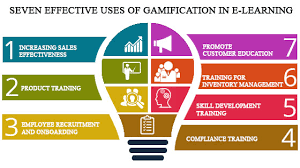
Gamification has emerged as one of the most influential trends in modern education, transforming traditional learning methods by integrating game design elements into educational environments. By applying principles such as points, rewards, levels, challenges, and competition, educators can make learning more engaging, motivating, and effective. Gamification is not just about entertainment; it leverages the psychological drivers behind play to encourage persistence, critical thinking, and creativity, fostering a deeper connection between students and the material.
At its core, gamification taps into intrinsic and extrinsic motivation. Points, badges, and leaderboards provide tangible rewards that recognize achievement, while progress tracking and goal-setting encourage self-improvement and persistence. For instance, students may earn badges for completing lessons, solving difficult problems, or collaborating effectively with peers. These reward systems provide immediate feedback, helping learners recognize their progress, celebrate accomplishments, and remain engaged in the learning process.
Educational technology platforms have significantly accelerated the adoption of gamification. Applications like Kahoot!, Classcraft, and Duolingo use game mechanics to create interactive, personalized learning experiences. Students participate in quizzes, challenges, and interactive lessons that feel like games, while teachers gain tools to monitor engagement and performance. This fusion of education and gameplay fosters a more active, immersive learning environment.
Gamification also enhances problem-solving and critical thinking skills. Many gamified educational experiences present challenges that require students to analyze information, experiment with strategies, and make decisions. Puzzle-based learning, scenario simulations, and role-playing exercises encourage learners to apply knowledge in practical contexts, developing cognitive skills that extend beyond the classroom. Games like Minecraft: Education Edition allow students to collaborate, build, and solve complex challenges, blending creativity, logic, and teamwork.
Collaboration and social learning are further enhanced through gamified systems. Multiplayer elements, team challenges, and shared objectives promote communication, cooperation, and healthy competition. Students learn to work together, negotiate strategies, and share knowledge, strengthening social and interpersonal skills. This social dimension creates a sense of community, reinforcing engagement and fostering supportive learning environments that mirror real-world teamwork scenarios.
Gamification also provides personalized learning opportunities. Adaptive systems can adjust the difficulty of challenges based on a student’s performance, ensuring that learners remain engaged without becoming frustrated or bored. Personalized feedback, hints, and reward structures enable students to progress at their own pace, building confidence while reinforcing mastery of concepts. This individualized approach aligns with broader trends in educational technology, emphasizing flexibility, inclusivity, and differentiated instruction.
Moreover, gamification can address motivational challenges that often affect students. Traditional instruction can sometimes feel repetitive or disconnected from real-world applications, leading to disengagement. By incorporating narrative elements, game mechanics, and interactive storytelling, educators can make learning relevant, exciting, and meaningful. When students are emotionally and cognitively invested in tasks, retention improves, and they are more likely to pursue deeper exploration of subjects.
Despite its benefits, gamification must be carefully designed to avoid potential pitfalls. Overemphasis on extrinsic rewards, such as points and badges, can undermine intrinsic motivation and reduce long-term engagement. Poorly implemented game mechanics may distract from learning objectives or create unnecessary competition. Successful gamification requires a balance between challenge, feedback, reward, and educational value, ensuring that gameplay reinforces rather than replaces learning outcomes.
Gamification also has broader implications for inclusivity and accessibility. By offering multiple ways to engage with content, including visual, auditory, and interactive experiences, gamified systems can accommodate diverse learning styles and abilities. Students who may struggle with traditional methods can find new avenues for participation, expression, and achievement, leveling the playing field and promoting equitable educational experiences.
In conclusion, gamification in modern learning transforms education by merging engagement, motivation, and skill development. By incorporating game mechanics such as rewards, challenges, and interactive storytelling, educators can create dynamic, personalized, and collaborative learning environments. Gamified education promotes critical thinking, problem-solving, and social skills while increasing retention and student motivation. When implemented thoughtfully, gamification enhances traditional teaching methods, making learning more immersive, effective, and enjoyable. As technology and pedagogy evolve, gamification will continue to shape the future of education, creating experiences that are both instructive and inspiring.





Leave a Reply